
Compression Socks
Compression stockings help relieve strain on the legs and tired feet, and they also improve blood circulation in the legs and feet, thereby stimulating blood return to the heart. Compression socks also help prevent blood clots and varicose veins and are often worn during long, sedentary trips —especially on flights—to prevent swollen legs and feet and blood clots. These socks are also popular in sports such as running, as they help prevent fatigue and can speed up recovery. We offer a variety of materials for our compression socks—choose from cotton, bamboo, wool, and nylon.
Class 1 Compression Socks, 10–21 mmHg: Recommended for mild venous issues, such as varicose veins, and are also used to relieve heavy and swollen legs and reduce fluid buildup in the legs.
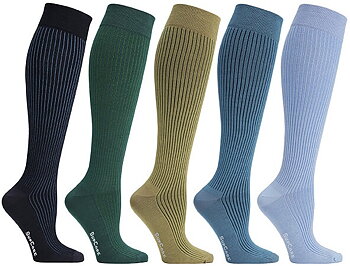
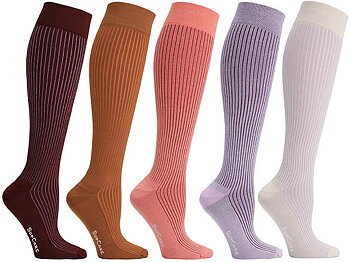
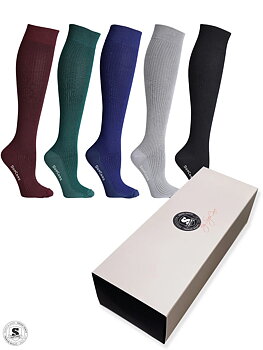
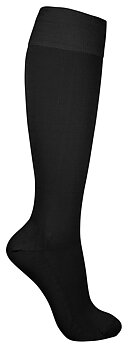
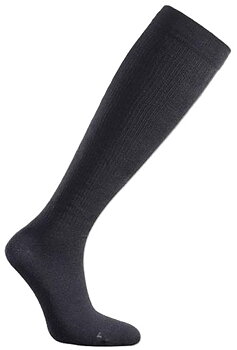
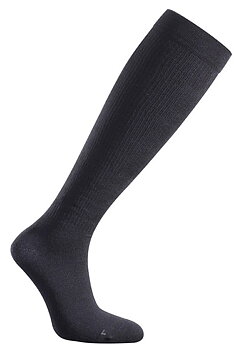
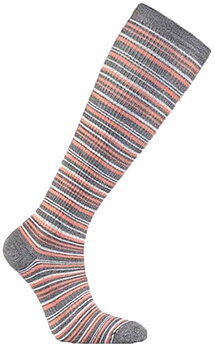
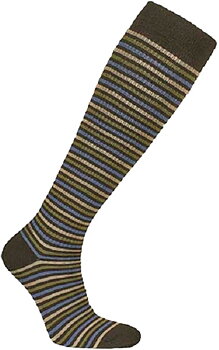
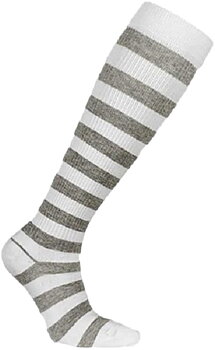
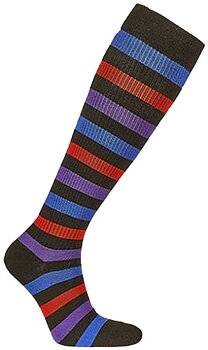
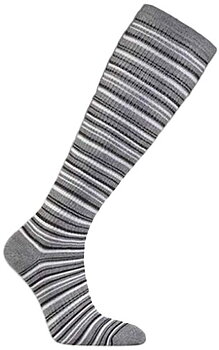
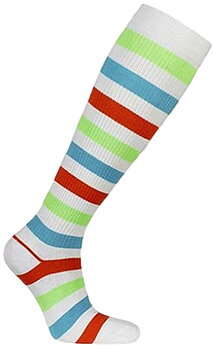
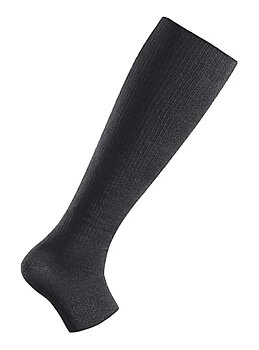
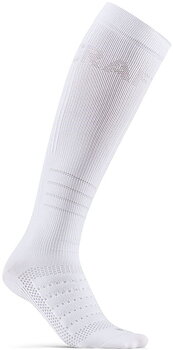
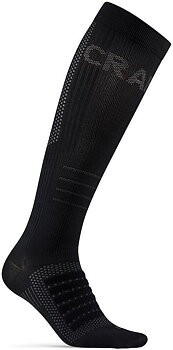
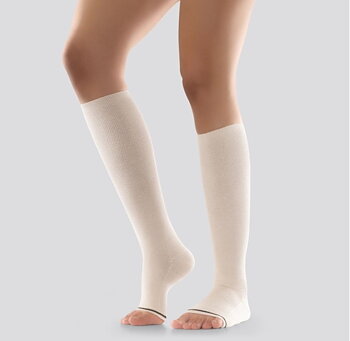
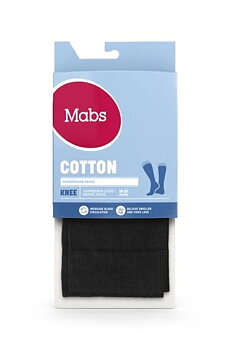
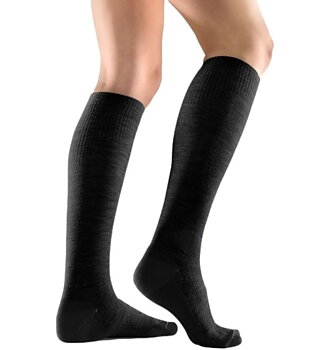
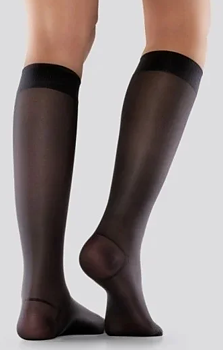
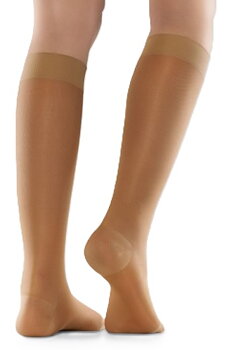
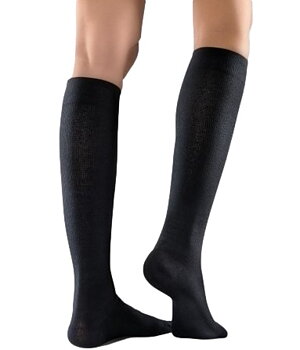
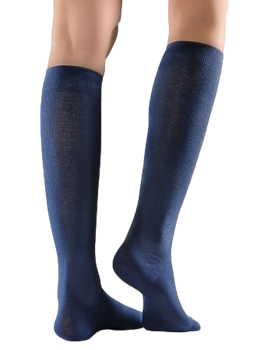
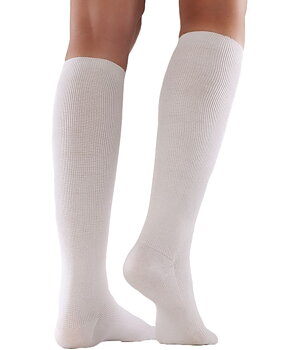
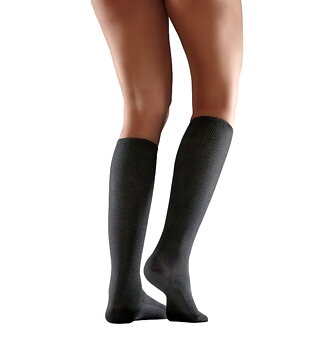
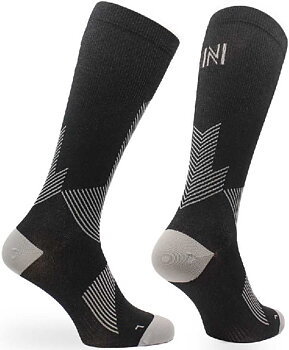
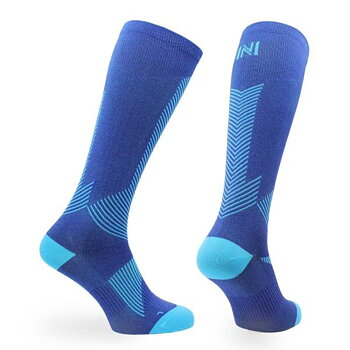
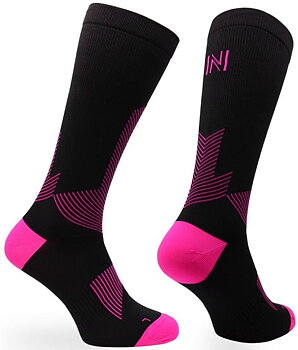
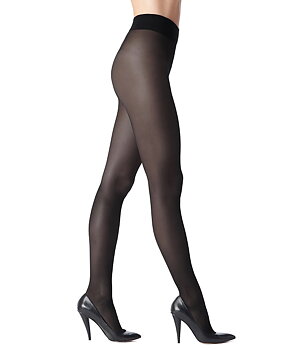
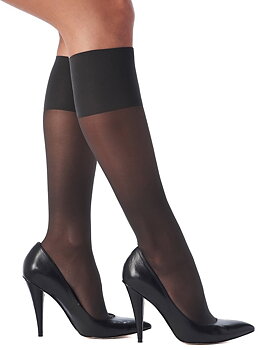
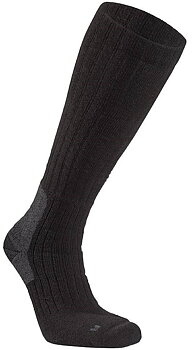
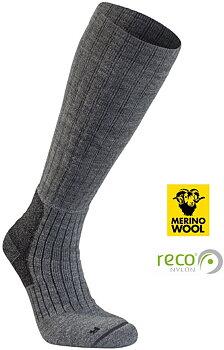
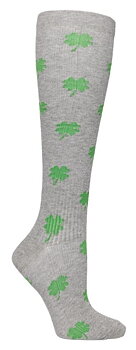
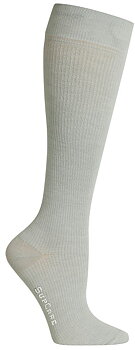
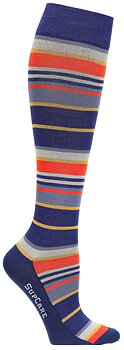
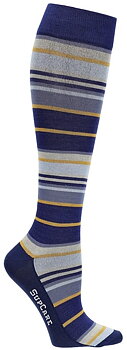
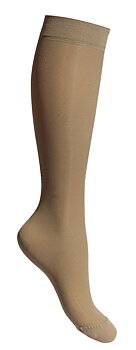
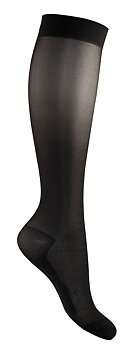
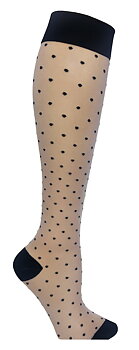
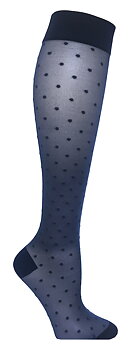
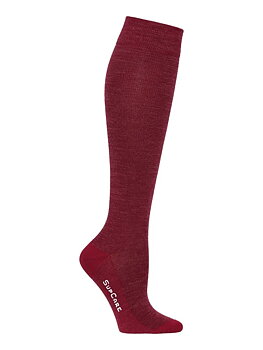
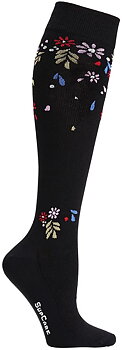
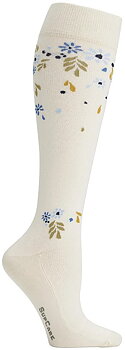
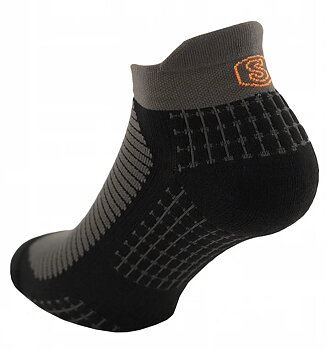
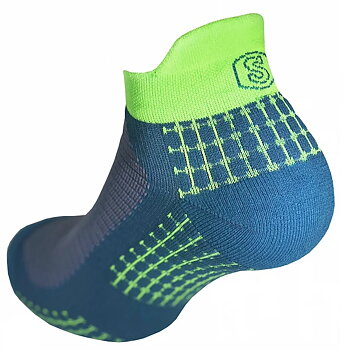
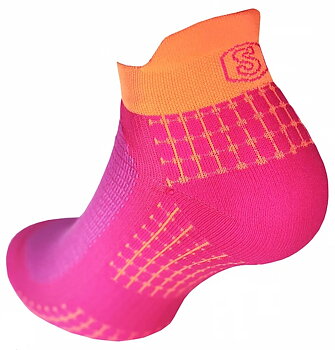
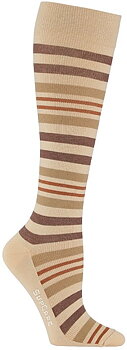
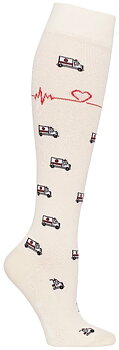
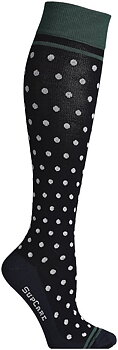
Compression Stockings
The compression level of support stockings is a crucial factor in ensuring they provide the right support. We offer different compression levels that indicate the amount of pressure or compression the stockings provide, and are used to address various medical conditions and needs:
- Class 1 (10–21 mmHg): provides a lower level of pressure. These compression stockings are recommended for relieving mild venous problems, such as varicose veins. They are also ideal for relieving heavy and swollen legs and reducing fluid retention in the legs. Class 1 is an excellent choice for those experiencing mild symptoms of fatigue and is effective during long periods of inactivity, such as while traveling.
- Class 2 (23–32 mmHg): Provides a higher level of compression and is effective for those with chronic venous insufficiency, more severe varicose veins, thrombophlebitis, and lymphedema following a blood clot; Class 2 is recommended. They are also effectively used to relieve more severe symptoms of leg fatigue. Our Class 2 compression stockings are designed to provide powerful and more concentrated support to alleviate symptoms and improve comfort by increasing blood circulation in the legs.
Understanding compression levels is essential for choosing the right compression stocking for your needs and ensuring you get optimal health benefits.
Using Compression Socks in Sports and Exercise
Compression socks aren’t limited to medical use; they’ve also become an important part of the world of sports and exercise. Here are a few reasons why they can be beneficial during physical activity:
- Reduced fatigue: One of the primary benefits of wearing compression socks during exercise is their ability to reduce muscle fatigue. By applying compression to the legs during physical activity, the muscles are supported, and the vibrations caused by each step or movement are reduced. This can lead to reduced fatigue during training and increased endurance. For athletes striving to perform at the highest level, wearing compression socks can be a strategic measure to maximize your performance.
- Improved Recovery: After intense training or competition, rapid recovery is crucial for minimizing exercise-related muscle damage and preparing the body for the next challenge. Compression socks play a key role in this recovery process by promoting increased blood circulation. The improved blood flow helps transport oxygen and nutrients more efficiently to the muscles, which accelerates the elimination of exercise-induced metabolites. The result is a faster recovery time and reduced muscle swelling, allowing you to return to your workout at full strength more quickly.
- Preventive Measure: The socks serve as a preventive measure by reducing the risk of injury during physical activity. The increased circulation helps keep muscles warm and supple, reducing the risk of strains and sprains. Additionally, the socks can support joints and ligaments, providing an extra level of stability and protection during movement.
Incorporating compression socks into your workout routine can be seen as an investment in your overall performance and health. Whether you’re a professional athlete, a fitness enthusiast, or simply someone who loves to exercise, these can be a valuable companion for improving your workout results and reducing the risk of injury.
Frequently Asked Questions & Answers
How tight should compression socks be?
Compression socks should fit snugly but comfortably to achieve the best results. It’s important to avoid wearing them too tightly, as this can restrict blood circulation and cause discomfort. To ensure a proper fit, it’s recommended that you follow the size guide carefully and measure the circumference and length of your legs. A properly fitted sock should provide even pressure along the legs and support blood circulation without causing excessive compression.
What are compression stockings good for?
Compression stockings are beneficial for alleviating venous problems such as varicose veins, improving blood circulation, reducing swelling and fatigue in the legs, and preventing blood clots. By providing even compression along the legs, the stockings help support venous function and facilitate blood flow back to the heart. This can be particularly beneficial for people who suffer from varicose veins or are at increased risk of venous insufficiency. In addition, wearing compression stockings can be a preventive measure for those who spend long periods sitting or standing—such as during long workdays—as they help reduce the risk of swelling and fatigue in the legs.
Which compression stockings should you choose?
The choice of compression stockings should be based on your individual needs. Visit our website for information on compression levels and other factors that are important to consider when choosing stockings, so that they meet your specific requirements and health condition. You can also contact our customer service for further assistance and personalized recommendations.
What happens if you sleep in compression stockings?
It is completely safe to sleep in compression stockings. In fact, it can improve blood circulation and reduce the risk of swollen legs and feet when you wake up in the morning. Wearing the stockings overnight can be particularly beneficial for people who suffer from venous problems or have an increased tendency toward swelling. However, it’s important to make sure they’re comfortable and properly fitted to avoid discomfort or unnecessary compression.
Why should you wear compression stockings during pregnancy?
During pregnancy, pressure on the blood vessels in the legs increases, and wearing compression stockings can be beneficial. The stockings help alleviate this increased pressure, reduce swelling, and improve circulation. Pregnancy-related swelling and a feeling of heaviness in the legs are common, and the stockings provide even compression that supports venous function. This can help reduce discomfort and promote better blood circulation in the legs. However, it is always wise to consult a doctor or healthcare provider for individualized advice and recommendations during pregnancy.
When should you not wear compression stockings?
People with certain medical conditions, such as peripheral vascular disease, should consult a doctor before using compression stockings. It is important to seek professional medical advice to ensure that their use is safe and appropriate for the individual’s health situation. In addition, people with allergies to the materials in the stockings or those who experience extreme discomfort or pain when wearing them may need to refrain from using compression stockings and seek medical care for appropriate alternatives. In these cases, it is always best to follow individual medical recommendations and avoid using the stockings if it is not considered safe or appropriate.
How long do compression socks last?
Lifespan varies depending on frequency of use and how well they are cared for. Generally speaking, most compression stockings can be expected to last several months with regular use. However, it is important to follow the manufacturer’s care instructions to maximize their lifespan. Wash them according to the instructions and avoid excessive stretching or pulling to prevent damage. If the socks begin to lose their elasticity or if you notice any signs of wear and tear, it may be time to replace them to ensure they continue to provide the desired compression and support.